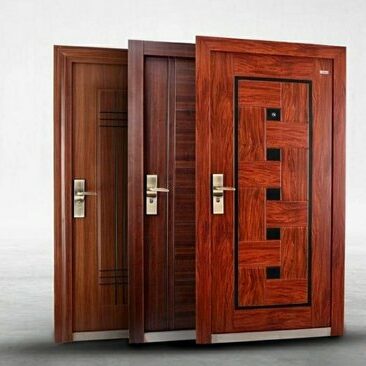

Fire Exit Door Compliance in Ontario 2026: The Inspection Failures That Cost Businesses
Fire Rated Commercial Door SolutionsFire doors are the most heavily regulated part of a commercial building that almost nobody thinks about until an inspector is standing in front of one. And in 2026 that inattention got considerably more expensive: Ontario Regulation 87/25 came into force on January 1, tightening how doors in fire separations must be inspected and documented across the province.
If you own, manage or operate a commercial property in Ontario, here is what actually gets checked, what fails most often, and how to stop a routine visit turning into an order.
What Changed in 2026
The headline change is frequency and paperwork. Doors located in fire separations now require monthly inspection, and those inspections have to be documented in a form a fire prevention officer can review. The old approach of dealing with fire doors when someone complained is no longer defensible.
Routine monthly checks can be carried out by designated building staff. Technical assessment of whether an assembly still meets its rated specification is a job for a qualified professional. Both matter, and confusing the two is a common way property managers end up with a file that looks complete but is not.
Because enforcement details and interpretation vary between municipalities, confirm specifics with your local fire prevention office. What follows is the practical operational picture, not legal advice.
The Eight Things an Inspection Actually Looks At
1. The door leaf itself
Holes, cracks, warping and impact damage. A hole drilled through a rated door to run a cable voids the rating of the entire assembly. So does a mail slot, a pet door, or a viewport that is not itself rated.
2. Frame and hardware condition
Bent frames, loose anchors, missing screws, and hardware that was never listed for use on a rated door. Every component in the assembly has to be compatible with the label.
3. The self-closing mechanism
The door must close by itself from any open position, every time, with no assistance. A closer that has been disabled, disconnected, or adjusted so weakly that the door stalls is one of the most frequently written-up deficiencies in the province.
4. Positive latching
Closing is not enough. The latch must engage the strike fully so the door cannot be pushed open by pressure. A door that swings shut but bounces back off the latch fails.
5. Seals and gaskets
Intumescent and smoke seals expand under heat to close the perimeter gap. Painted over, torn or missing seals are treated as a failure.
6. Clearance tolerances
Gaps around the door are specified tightly. An undercut that has grown because new flooring went in, or a door that has sagged and opened a gap at the top, both put the assembly out of compliance.
7. Obstructions and propping
Wedges, hooks, tied-back closers and stacked stock in front of a door. This is the single most common finding, and the easiest to fix for free.
8. Unauthorized modifications
Add-on locks, surface bolts, chains, security bars and anything else installed by a well-meaning employee. Many of these also make the door impossible to open in an emergency, which is the more serious problem.
The Failures That Cost Businesses the Most
Propping the door for ventilation or convenience
Kitchens do it for heat. Warehouses do it for airflow. Retail does it for deliveries. A propped fire door provides zero protection, and it is visible from across the room to anyone doing an inspection. If a door genuinely needs to stay open during operations, the compliant answer is a listed hold-open device tied into the fire alarm, which releases the door automatically on activation.
A closer that no longer closes
Closers wear, leak and drift out of adjustment. A door that stops 100mm short and never latches is a failed fire separation even though it looks fine at a glance. Prompt commercial door closer repair is the cheapest compliance spend available, and it also solves the slamming and drafts that staff complain about.
Exit hardware that has stopped working properly
Panic bars and exit devices take abuse. Dogged-down bars, seized mechanisms, latches that no longer retract fully, and bars mounted at the wrong height all show up regularly. An exit device also has to open with a single motion and no key, no code and no special knowledge — a rule that is broken constantly by add-on deadbolts and thumbturns installed for security. Keeping panic bar and exit device hardware functioning correctly is both a life-safety and a liability matter.
Damaged frames from daily traffic
Loading areas and service corridors destroy frames. A frame knocked out of square opens gaps, prevents latching, and eventually stops the door closing at all. Because it happens gradually, nobody notices until inspection day.
Missing paperwork for work that was actually done
Repairs made without records are, from an enforcement standpoint, repairs that did not happen. Keep invoices, dates and photographs with your inspection log.
A Practical Compliance Routine
- Number every fire door in the building and keep a fixed list. Inspections against a wandering memory always miss doors.
- Do the monthly walk with a phone. Photograph each door closed and latched. Dated photos are the easiest evidence you will ever produce.
- Test the swing, not the look. Open each door fully, release it, and confirm it closes and latches on its own without a push.
- Log deficiencies with a date and an owner. An open item with a repair scheduled reads very differently to an inspector than an open item with no plan.
- Train staff on why propping matters. Most violations are habits, not decisions.
- Book professional assessment for anything structural. Frame damage, label questions and assembly modifications are not staff-level calls, and proper fire exit door service keeps the rating intact rather than quietly voiding it.
Why This Is Worth More Than Avoiding a Fine
Fire separations exist to buy time — time for people to get out and time for the fire service to arrive with the fire still contained. Every deficiency on the list above shortens that window. The compliance framework is just the mechanism that makes an invisible risk visible.
There is also a straightforward commercial argument. Insurers ask about fire door maintenance after a claim. So do plaintiffs. A tidy inspection log and a habit of fixing closers within the week is inexpensive protection for the business as well as for the people in it.
Frequently Asked Questions
Who is responsible for fire door compliance in a leased unit?
It depends on the lease, but the building owner generally retains responsibility for fire separations. Tenants are still liable for what they do to doors, including propping them and adding hardware. Read the lease and agree in writing who inspects what.
Can building staff do the monthly inspections themselves?
Routine visual inspection can be done by designated, trained staff. Technical verification that an assembly still meets its rated specification calls for a qualified professional.
Is a fire door allowed to be held open at all?
Only with a listed hold-open device connected to the fire alarm system, so the door releases and closes automatically on activation. Wedges, hooks and tied-back arms are never acceptable.
What happens if a fire door is damaged?
It must be repaired with components compatible with the rating, or the assembly replaced. Improvised patches, filled holes and non-listed hardware void the rating even if the door looks sound.
How do I know if a door is rated?
Look for the label, usually on the hinge edge of the leaf and on the frame rabbet. If the label has been painted over or removed, treat the door as a problem to investigate rather than assume it is fine.
How quickly should a failed closer be fixed?
Immediately in practice. A door in a fire separation that does not close and latch is not providing the protection the building was designed around, and it is the deficiency most likely to be found.